Revenue
Revenue that stays home
The town owns the tokens its hub produces. They are metered and sold like kilowatt-hours, and the income flows into a dedicated community fund instead of to a distant company.

Town-owned compute · Public revenue · Local food
A Community Data Hub is a small data center the town owns. It sells computing power the way a utility sells kilowatt-hours, puts AI to work for schools, clinics and small businesses, and sends its byproduct heat to a greenhouse that grows food for the town.
What the town gets
Most data centers arrive in a town and send their value somewhere else. A Community Data Hub is built so the value stays where the power, land and people are.
Revenue
The town owns the tokens its hub produces. They are metered and sold like kilowatt-hours, and the income flows into a dedicated community fund instead of to a distant company.
Service
Schools, the clinic, city hall and local businesses get AI at cost, running on hardware the town controls. Their data stays on local machines.
Food
Every server makes heat. Liquid cooling captures it and pipes it to a greenhouse next door, so the same site grows fresh food and creates farm jobs all year.

How it works
Power comes in. Computing power and heat come out. The town meters the first and puts the second to work.
The compute path
01
Power and fiber
About 1 MW for a pilot, plus a strong fiber line.
02
Town-owned GPUs
Servers run open AI models the town controls outright.
03
Tokens, metered
Every unit of AI work is counted and billed like a utility.
04
Community fund
Income is earmarked for the town, not lost in the general budget.
The heat path
01
Servers make heat
Nearly every watt in becomes heat out.
02
Liquid cooling loop
Captures that byproduct heat as warm water.
03
Greenhouse next door
Warmth that would be rejected grows food in winter.
04
Food and farm jobs
Fresh produce for local tables, all year.
The ownership model
Towns already run electric, water and broadband utilities. A Community Data Hub uses the same playbook, so councils, bond counsel and voters recognize it.
The town
A public authority or co-op owns the hub and its output.
The operator
A specialist builds and runs the servers under contract. The town keeps a guaranteed share of capacity.
The fund
Token and heat income goes to a dedicated fund for food, jobs and services.
Two layers of AI
Open models run on the town's own hardware for everyday work. For harder tasks, the hub buys frontier AI wholesale through cloud agreements and passes it to residents.
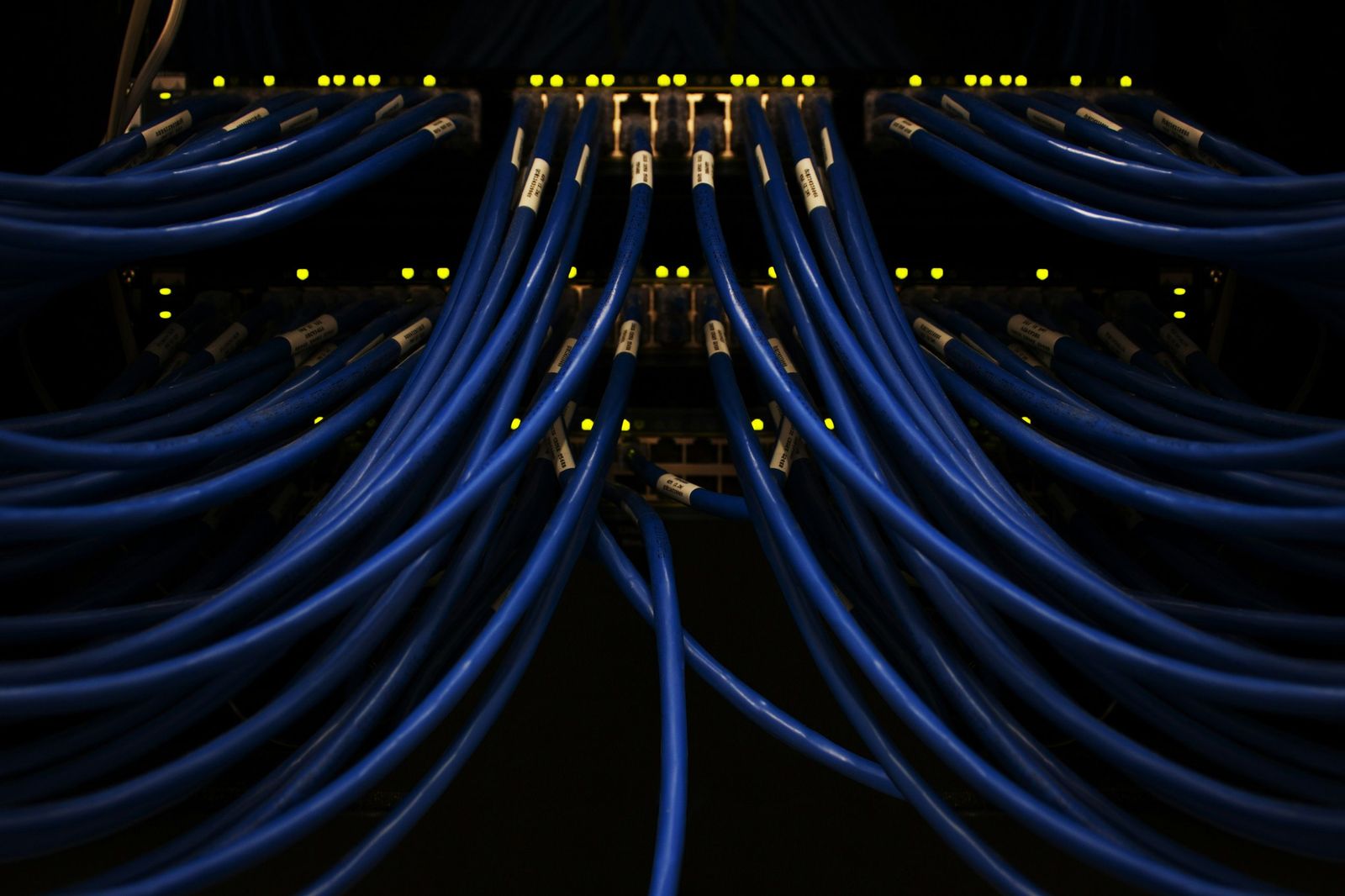
The town owns the building. It rents the fastest-wearing parts.
A 1-megawatt pilot
A pilot sized for one town covers city services, school tutoring and small-business help. It can start on previous-generation or inference-focused GPUs and grow as demand is signed.
1 MW
Pilot power
4–5 yr
GPU refresh cycle
What a pilot needs
Site
A parcel near substation power, with room for a greenhouse next door.
Power
About 1 megawatt, ideally with a utility partner at the table early.
Fiber
A strong fiber line into the building.
Cooling
Liquid cooling with a heat-capture loop piped to the greenhouse.
Servers
GPU servers running open AI models the town controls.
Operator
A specialist under contract to run and maintain it.
Software
Tools to serve the models and meter every token.
Financing
A building lasts thirty years. A GPU lasts about five. So they are paid for with different money, and taxpayers are not on the hook for either.
Six 5-year equipment leases, one per hardware generation, inside the life of one building.
Revenue bonds
For the building, power and cooling. Repaid from token and heat revenue, the way towns finance water systems.
Equipment leases
For the GPUs, over three to five years, or bought by the operator in exchange for a revenue share.
Grants and patient capital
USDA Rural Development, EDA grants, New Markets Tax Credits and rural co-op lenders. The food side opens many of these doors.
Anchor contracts first
The county, schools, a hospital or a college sign on to buy capacity before anything is built. Signed demand is what makes bonds sell.

Built like a utility. Financed like a utility. Accountable to the people it serves.
Who it's for
How ownership works, how a pilot is financed through revenue bonds and grants, and what your council needs to decide first.
Start a feasibility conversation →
What you get, in plain terms: local jobs, fresh food, AI tools at cost for schools and businesses, and a say in how the hub runs.
Ask for a hub in your town →
Build and run the hub under contract, with anchor customers signed and a public owner behind the site. The town keeps a guaranteed share.
Talk partnership →Get started
Tell us who you are and where you are. We will follow up with what a pilot could look like for your community, and who else nearby is interested.